Hardcore, Hi-Fi Hacks, and a Lifetime of Making Things Loud
DJ Asylum comes from Bathgate, a bustling Scottish “metropolis” best known for turning a soft-play center into a nightclub. This, in many ways, sets the tone for everything that follows.
Mixing since the mid-1990s (with no guarantee of improvement over time), Asylum cut his teeth on hardcore techno, acid, and all things fast, noisy, and unfriendly to neighbours. His early DJ education involved a family hi-fi system, a selector switch, and an alarming amount of free time, blending Bass Generator and Dyewitness records until something resembling technique emerged. Before long, wages from his first job were being converted directly into vinyl, Soundlab belt drives, and a full-blown hardcore obsession.
Production came later, with releases landing on labels like Deng Deng Hardcore, Omnicore, SWAN, Rotjecore, and Point 44 under the DJ Asylum name. When things get a bit more techno (and slightly less feral), he operates as Garrison9, releasing acid-leaning material on Freddy Fresh’s Analog Records and Ruthless Ghetto Records.

Influence-wise, DJ Asylum worships at the altar of great DJs who did something different. Marc Smith taught him the art of mixing properly, Carl Cox and Jeff Mills proved it could be done flawlessly, while Loftgroover and Mark N demonstrated that dropping metal riffs, hip-hop, or the Jaws theme into hardcore sets was not only acceptable but essential. Lenny Dee’s 90s Scotland sets remain the gold standard — loud, uncompromising, and unforgettable.
True to his DIY ethos (and Scottish frugality), DJ Asylum’s setup is refreshingly basic. Two Audio Technica turntables and a two-channel mixer. Digital mixing happens reluctantly via a Hercules controller, mainly because “the good tracks aren’t on vinyl anymore,” though records are still very much preferred. Production gear is similarly no-frills: a TD-3, Volca Kick, cheap MIDI keyboard, and Ableton Lite—grand plans for a 909 clone were repeatedly derailed by real-world emergencies, such as washing machines exploding, yet finally realized in the form of a Behringer RD-9.
Musically, DJ Asylum is all about tension, repetition, and eventual punishment. Influenced as much by post-punk bands like Protomartyr and The Fall as by hardcore and techno, he aims to build tracks that drag you along hypnotically before delivering a final, emphatic musical “fuck you.” Escapism is the goal — preferably loud, angry escapism.
One of his proudest accidental achievements is the HCBXCast series on YouTube. What began as a simple mix premiere unexpectedly turned into a live chat hub for hardcore obsessives across the globe. Now past its 75th episode, the show thrives on community, banter, and the shared love of music that sounds like it might physically break something.

Gig stories range from legendary to disastrous. His first ever booking, at age 16, involved clearing out a birthday party with Delta 9 and DOA before winning everyone back by playing three Born Slippy remixes in a row and fleeing the scene. Other highlights include playing hardcore in a barn near Newcastle, possibly on hay bales—though alcohol has compromised the accuracy of this memory.
When DJ Asylum isn’t terrorizing his neighborhood with blistering beats, he moonlights as a family man, father of two and husband to Mrs. Asylum. He has messed around with visual art in the past, painting pop culture type art, and he also enjoys playing the guitar and the bass guitar, jamming with friends, and he often goes to see live bands perform.
These days, DJ Asylum views the modern hardcore scene with cautious curiosity. While huge European events leave him cold with their glossy, overproduced sound, he remains deeply connected to a smaller, fiercely supportive underground community—mostly online, slightly scattered, but very much alive. Looking forward, he plans to finish approximately 50 half-completed tracks, return to live gigs (to get paid in beer, sandwiches, or both), and possibly start his own label—assuming he ever figures out how labels actually work. Until then, he’ll keep making the music he wants to hear, supporting the scene, and turning volume into therapy.
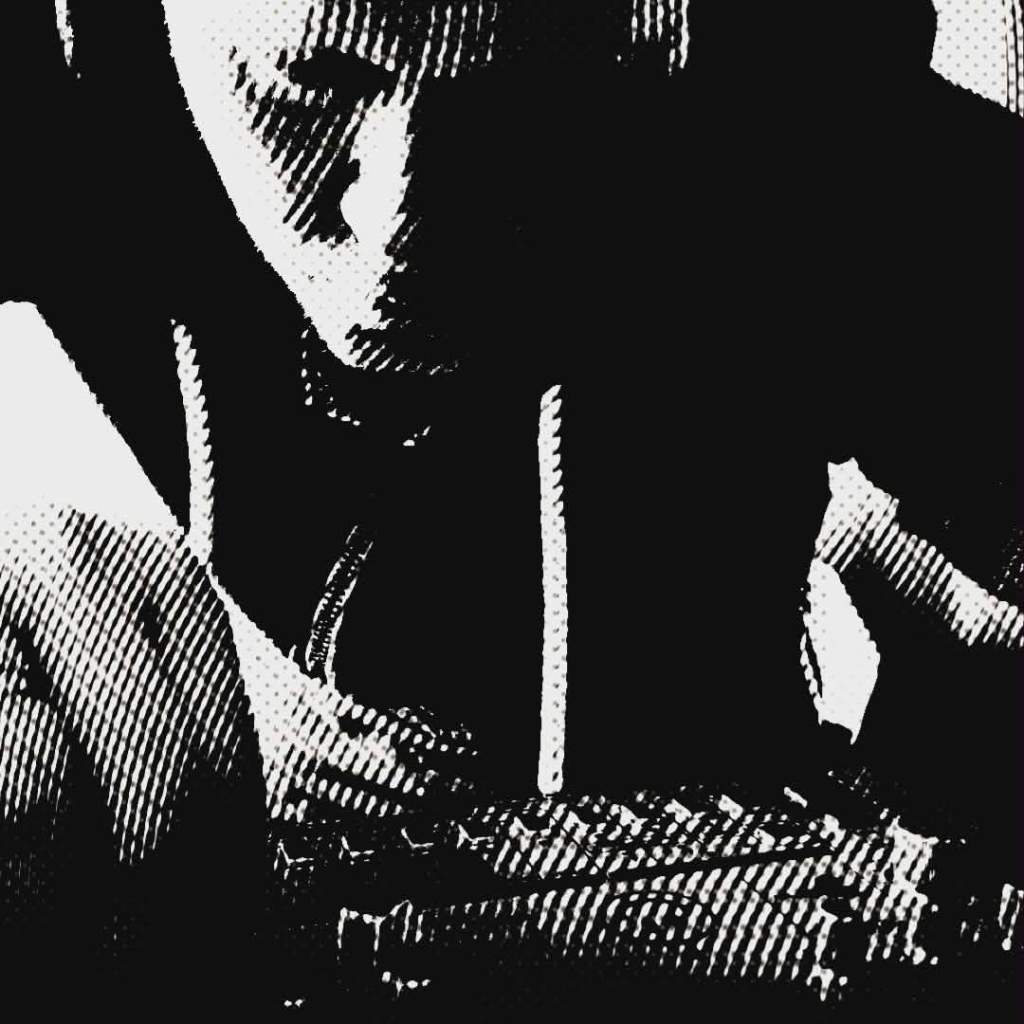
Quote from DJ Asylum:
“Keep the hardcore techno sound alive. Don’t just consume. Create. Write a track, do a mix, reach out to a hardcore head that inspires you. Collaborate.”
AI was used to write this article; added to and edited by Charm Dreier. Sources include Andrew Preston, and this interview:
https://thehardcoreoverdogs.blogspot.com/2025/02/the-short-bios-dj-asylum.html
 The Gabber Elders